Why Adding Headphones Wireless To Your Life Will Make All The A Difference
Take Your Listening Experience to the Next Level With Wireless Headphones If you're looking to take your listening enjoyment to the next level, try the wireless headphones. There are no wires, and you can even control your music or make calls with a single tap. one tap. There are multiple ways to connect wireless headphones, but we'll focus on Bluetooth here. It's a low-energy radio wave that transmits audio in the result of 1s and 0s. 1. headphone shop provide you with the freedom of movement and flexibility without being restricted by wires. They can be used anywhere, whether at home, in the workplace, in the gym or while traveling. All you need is a source of audio that supports the Bluetooth connectivity which is available in all modern devices. The fact that they don't require headphones is an additional benefit for a lot of people since the majority of new smartphones no longer include the port. The audio signals are sent via a transmitter on the source device. This converts digital bits into analog audio signals that can be played using speakers or headphones. There are different types of wireless technologies that can be used for this purpose – bluetooth, the RF (radio-frequency) or infrared. Bluetooth is among the most popular options as it has a low power transmission, has a tiny chip size, and can be easily integrated into mobile devices. Bluetooth headphones can last for as long as 20 hours with one charge, while wireless headphones that are worn on the ear can last for approximately 40 hours. Certain models also come with an charging case that can boost the battery's life up to 95 hours. This is a major advantage over wired headsets which need to be recharged every time the battery goes out. True wireless earbuds are a great option for athletes, since they do not have wires that could hinder your performance. They are often sweat-proof and some even have fitness tracking systems so that you can track your performance during a workout session. They are also great for swimming and water sports since they are designed to resist moisture. 2. Sound Wireless headphones come with their own set of challenges in terms of sound quality. This is because they do not have an external wire to connect them to an audio source device, such as a mobile phone or digital player. Bluetooth connectivity is used to send audio signals through radio waves. This provides a greater range of freedom but can affect the quality of audio. Bluetooth is a very popular method of connecting and is widely used by all wireless headphones. However the radio wave's low-energy causes headphones to compress, which lowers the bit rate of audio signals. This is a good thing for listeners who are not serious about music, but it could be a problem for avid listeners or those who have to exercise with their wireless headphones. A good pair will provide a high-quality sound experience with a full range of frequencies and noise cancellation. A lot of models include features like transparency modes and spatial sound to create an even more immersive listening experience. The most effective wireless headphones are ones that are comfortable to wear and fit well within your ears. Certain models have physical buttons that you can use to control your music or take calls. This is a more convenient option for certain users than touch-sensitive controls which can be difficult to miss when wearing headphones or trying to adjust them in your ears. Find models with a microphone that's compatible with Apple's iPhone and other devices, and support for aptX or AAC codecs. Find out if the headphones you're using have built-in microphones that can be used for voice activation or Siri. 3. Portability Wireless headphones transmit audio by using electromagnetic waves instead of pressure vibrations. These electromagnetic waves can be radio signals (common in Bluetooth headsets) or infrared signals. In either scenario, electromagnetic waves are not subject to the same physical laws that govern soundwaves. Therefore, they can be transmitted through any medium with no loss of energy, like air or water. Portable headphones can be used a long distance from the source audio. This makes them more convenient than wired headphones, which require an external cable to connect to your music device, which can become tangled or stretched during use. Wireless headphones are also easily stored in a purse or bag, and many models fold up to make it easy to transport. We assess the amount of space that a particular design occupies when folded into its smallest format to determine how well it performs in our portability test. The majority of the top wireless headsets come with a transmitter built in that receives Bluetooth carrier signals from your phone or other audio sources. The headphones then play the analog signal. The audio signal is transmitted using a variety of methods, such as frequency modulation, pulse-shift coding and phase-shift coding. Some wireless headphones include an additional receiver that streams audiophile-grade high-resolution audio. This includes Sony's LDAC as well as the aptX HD or Adaptive Audio codecs. These headphones can offer a superior sound quality than standard Bluetooth headsets however, they require an audiophile source. Wireless headphones that have these premium features are typically sold at an expensive price. Bowers & Wilkins Px7 S2 headphones is an example. These over-ears feature large ear cups that fit comfortably around the ears of smaller or average size and feature controls along the outside of the earcup for listening preferences and voice assistants like Google and Siri. These headphones have a 30-hour-long battery life and charge quickly. They are a great option for listeners who are always moving. 4. Battery life If you plan to invest in wireless headphones, then it is advisable to look for ones with good battery life. A pair of headphones that are running out of battery midway through the day can be quite annoying. This is especially true if you're listening to music while also taking phone calls. A lot of headphones today have excellent batteries. Some headphones can last for weeks or even days on a single charge. The life of headphones' batteries can vary depending on the model and the manufacturer. Generally speaking the advertised playtime will vary with the volume level. The more you listen to the headphones at a high volume and the lower the volume, the shorter the time is going to be. 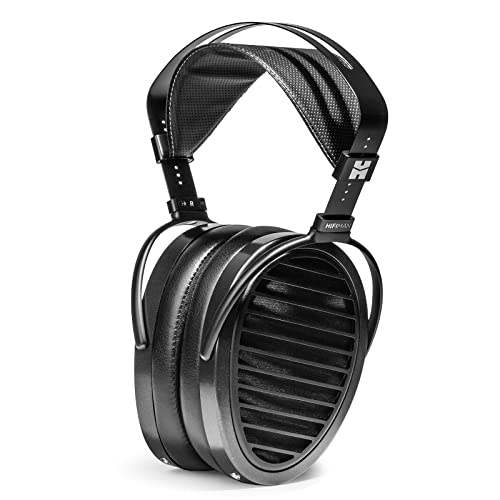 This is due to the fact that high volumes require more power from the headphone's batteries to produce loud and clear sound. On the contrary, lower volumes will produce much better quality audio. The technology used to transmit audio signals can affect the battery life. The majority of wireless headphones rely on Bluetooth technology. Bluetooth encrypts audio into a carrier signal and then transmits it over the air. The carrier wave can be transmitted in the radio frequency range, or in the infrared range, and can carry both digital and analog audio signals. Some models are waterproof, meaning they can be used for swimming and other watersports. It is important to know that most waterproof headphones don't come with Bluetooth technology. This is because water can interfere with the wireless transmission of signals, causing latency or audio degradation. The Sony WH1000XM5 headphones are an excellent choice for those seeking a high-quality pair of wireless headsets that provide a lengthy battery life. They have an outstanding ANC performance, a comfortable fit, simple control of the touch screen, multipoint Bluetooth pairing, built-in Alexa support, and more. 5. Style Some people are more concerned with the design of their headphones, rather than their performance. If you're looking for a pair of headphones to replace a damaged pair or a new set to add to your collection, GQ Recommends has a selection to match your style. A good pair of headphones can make a huge difference, whether you want to block out the noise from your commute, workplace or the world around you. You can pick from a range of stylish, comfortable designs in different colors. If you live an active lifestyle, you may be interested in a pair that are sweat-proof and designed to sit comfortably on your ear for maximum stability. These headphones usually have headbands that are flexible that can be adjusted to your specific shape, plus cushioned earcups for long listening sessions. Some models have an internal memory that operates independently of the media player. This allows you to listen to music without Bluetooth or wired connections. Audio-Technica ATH-M20xBT ($79 on Amazon) features micro-SD slot and a USB port to playback. The Beyerdynamic Amiron Wireless ($599 on Amazon) supports AAC, aptX, and the aptXHD format for studio-quality audio. The Koss Porta Pro is a favorite among audiophiles, music engineers, and other professionals. These retro-style cans look like they stepped off the set of an '80s sci-fi flick however, they also have a reputation for clear highs and full bass. Certain models feature an open-back design that lets you see more of the world around you which makes them a great option for those who require a greater awareness of their environment. They also tend to have longer battery lives than true wireless headphones and do not have audio latency, which is a common problem with Bluetooth codecs that creates delays between the original audio and the signal that is replayed on your headphones.